

Residents of Mount Vernon, NY often ask whether chiropractic care and physical therapy are competing choices or complementary forms of care. The short answer is that they overlap in some techniques but usually emphasize different goals.
Chiropractic care commonly focuses on the relationship between the spine, joints, muscles, and nervous system. Physical therapy generally places greater emphasis on restoring movement, strength, balance, endurance, and everyday function. Depending on the condition, a person may benefit from one approach, the other, or a coordinated plan that uses elements of both.
What is the main difference between chiropractic care and physical therapy?
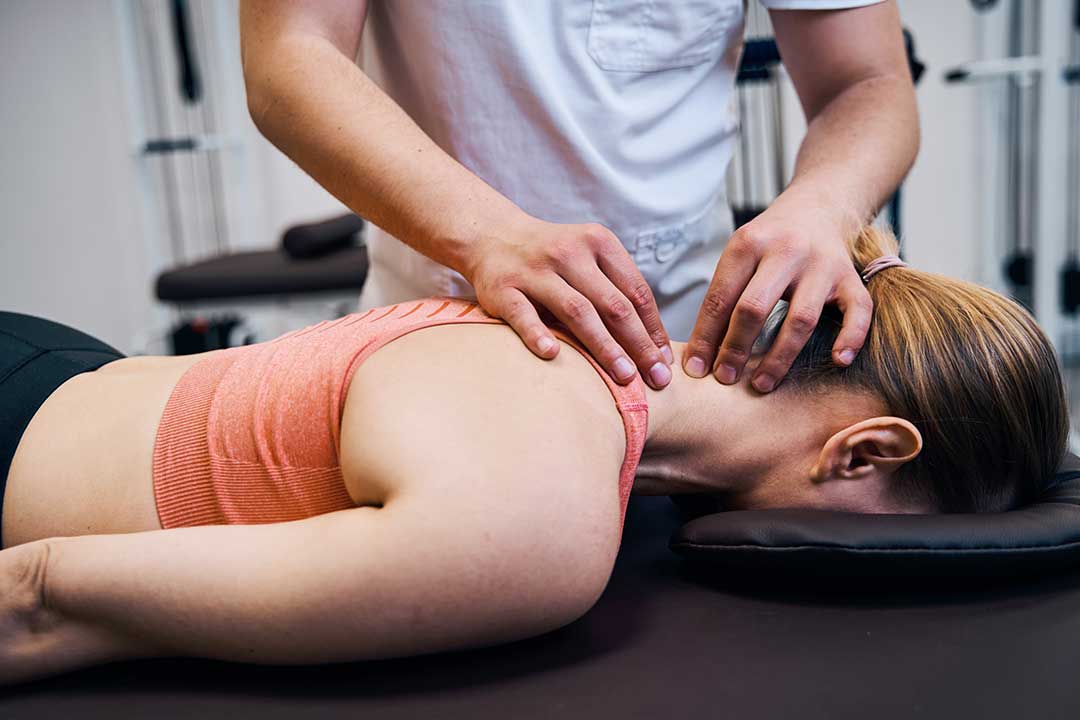
Chiropractic care often emphasizes joint and spinal assessment, manual treatment, and improving restricted movement. Physical therapy combines movement assessment with exercise, functional training, education, and sometimes hands-on techniques.
A chiropractic visit may include:
- Health-history questions and a physical examination
- Assessment of spinal or joint mobility
- Manual therapy, including spinal manipulation or mobilization
- Soft-tissue techniques
- Guidance on posture, activity, and movement habits
A physical therapy plan may include:
- Strengthening and flexibility exercises
- Balance and coordination training
- Gait or walking assessment
- Joint mobilization or other manual techniques
- Education on lifting, sitting, reaching, and returning to activity
- A home exercise program that changes as function improves
These descriptions are general. Chiropractors differ in their treatment methods, and physical therapists may use manual therapy as part of care. The most useful comparison is not which profession is “better,” but which skills and treatment goals match the person’s condition.
Do chiropractors and physical therapists use some of the same techniques?
Yes. Both may use hands-on methods to address stiffness, limited joint motion, muscle tension, or discomfort. Spinal manipulation is most commonly associated with chiropractic care, but some physical therapists with appropriate training also use manipulation or mobilization.
The shared techniques can create confusion. Manual treatment is only one part of rehabilitation. A brief improvement in mobility may be helpful, but lasting progress often also requires restoring strength, coordination, confidence, and tolerance for normal activity.
For example, a person with low back pain may feel looser after manual treatment. Physical therapy exercises can then help that person safely rebuild the capacity to sit, walk, lift, climb stairs, or return to recreational activities. Chiropractic care may similarly include exercise and movement advice rather than relying on adjustments alone.
When might chiropractic care be considered?
Chiropractic care may be considered for some types of uncomplicated back pain, neck pain, joint stiffness, and musculoskeletal discomfort. Spinal manipulation is one of several non-drug options that may provide mild to moderate relief for some people with low back pain.
It is not appropriate for every cause of pain. A careful evaluation should consider symptoms such as numbness, tingling, weakness, recent trauma, fever, unexplained weight loss, cancer history, infection risk, osteoporosis, or medication use that may affect treatment safety.
People should also understand that temporary soreness, stiffness, headache, or increased discomfort can occur after spinal manipulation. Serious complications are rare, but neck manipulation deserves particularly careful screening and informed discussion because rare vascular or neurological problems have been reported.
When is physical therapy especially useful?
Physical therapy is often useful when pain has led to weakness, reduced balance, limited endurance, altered walking, or difficulty with daily activities. It can also be valuable after surgery, fracture recovery, sports injuries, falls, or prolonged inactivity.
A physical therapist may help answer practical questions such as:
- How can a person get in and out of a chair with less strain?
- Which exercises are appropriate after an ankle, knee, or shoulder injury?
- How can lifting technique be modified at home or work?
- What level of walking is reasonable during recovery?
- How can strength and balance be rebuilt after a fall?
For local residents, these functional details can matter during icy winter conditions, stair use in multi-level homes, long commutes, or work that involves standing, lifting, driving, or repeated computer use. Treatment is often more useful when it reflects the person’s actual environment rather than focusing only on pain intensity.
Can someone receive both types of care?
Sometimes, but combining treatments should be coordinated rather than assumed to be automatically better. Two providers should understand the working diagnosis, current symptoms, medications, precautions, and treatment goals.
A coordinated plan might involve manual care to address short-term stiffness and physical therapy to improve strength and movement control. In another case, physical therapy alone may provide enough hands-on treatment and exercise instruction. Some people may need medical evaluation first if symptoms suggest a condition outside routine musculoskeletal care.
Receiving multiple treatments without communication can make it difficult to know what is helping. It may also lead to duplicated techniques, conflicting exercise instructions, or treatment that continues despite a lack of meaningful progress.
How should a person decide which approach fits?
Start with the main problem and the desired outcome. Someone primarily concerned with spinal stiffness may ask about chiropractic assessment. Someone struggling with weakness, balance, walking, or returning to activity may place greater value on physical therapy. A person recovering from injury or surgery may need a broader rehabilitation plan.
Useful questions include:
- What is the likely cause of the symptoms?
- What findings support the proposed treatment?
- What improvement should be expected, and over what time period?
- What exercises or self-management steps are part of the plan?
- How will progress be measured?
- What symptoms would require a different evaluation?
A reasonable plan should include reassessment. If pain, weakness, or function is not improving as expected, the diagnosis and treatment approach may need to be reconsidered.
When should pain be evaluated urgently?
Certain symptoms should not be managed as routine back or neck pain. Prompt medical evaluation is appropriate for new or worsening weakness, loss of bladder or bowel control, numbness in the groin area, severe pain after significant trauma, fever with spinal pain, unexplained weight loss, or symptoms involving chest pain, fainting, or difficulty breathing.
Sudden severe headache, dizziness, trouble speaking, vision changes, facial drooping, or one-sided weakness after neck treatment requires emergency attention. These symptoms are uncommon but should never be dismissed as ordinary treatment soreness.
The relationship between chiropractic care and physical therapy is best understood as an area of overlap with different areas of emphasis. Both can play a role in musculoskeletal care, but safe treatment depends on accurate screening, clear goals, active participation, and recognizing when symptoms require medical evaluation beyond routine manual care.
