

Is soreness after a chiropractic adjustment normal?
Mild, temporary soreness can be a normal response after a chiropractic adjustment, especially when the treated area was already tense, painful, or not moving comfortably. Some people also notice short-lived tiredness, stiffness, tenderness, or a mild headache. These effects generally improve within a day or two, although the exact timing varies by person and by the type of treatment used. ([mayoclinic.org](https://www.mayoclinic.org/tests-procedures/chiropractic-adjustment/about/pac-20393513?utm_source=openai))
Soreness should not automatically be interpreted as proof that an adjustment “worked.” It is simply one possible short-term response. A person may feel better immediately, feel temporarily sore and then improve, or notice no meaningful change.
What can post-adjustment soreness feel like?
Typical soreness is usually similar to the feeling after unfamiliar exercise or hands-on muscle work. It may include:
- Tenderness in the back, neck, shoulders, hips, or other treated areas
- Mild stiffness when changing position
- A bruised or pressure-sensitive feeling in the muscles
- Temporary fatigue
- A mild headache, particularly after treatment involving the neck
The discomfort is generally localized and manageable. It should not steadily intensify or begin spreading into an arm or leg. Severe pain, new weakness, or a major change in coordination is not considered routine soreness.
Why might an adjustment cause temporary discomfort?
An adjustment applies a controlled force to a joint. The surrounding muscles, ligaments, and other tissues may respond to that movement, particularly if the body has been guarding an area because of pain or stiffness.
Soreness may be more noticeable when:
- The treatment is new or more vigorous than previous sessions
- Several areas are treated during one visit
- The person has been inactive or physically deconditioned
- Muscles were already tight from prolonged sitting, lifting, or repetitive work
- The underlying problem has recently flared
- The person returns too quickly to strenuous activity
Local routines can contribute. For example, long commutes, desk work, carrying children, moving household items, or clearing snow and ice during winter weather may leave muscles fatigued before treatment. In warmer months, yard work and outdoor activity can create similar strain. These factors may make it harder to tell whether soreness came from the adjustment, the original problem, or ordinary physical activity.
How long should soreness last?
Minor soreness often settles within 24 to 48 hours. The duration can be shorter or longer depending on the treated body region, the person’s health history, and the activity performed afterward. Mayo Clinic notes that minor side effects may occur for a few days, including pain in treated areas, headaches, or tiredness. ([mayoclinic.org](https://www.mayoclinic.org/tests-procedures/chiropractic-adjustment/about/pac-20393513?utm_source=openai))
If soreness is mild and gradually improving, reasonable self-care may include:
- Taking a short break from heavy lifting or vigorous exercise
- Continuing gentle, comfortable movement rather than staying in bed
- Using a cool or warm compress based on which feels better
- Drinking fluids and getting adequate sleep
- Following individualized instructions already provided by a licensed healthcare professional
Over-the-counter pain medication may not be appropriate for everyone, particularly for people with kidney disease, stomach ulcers, blood-thinning medication use, pregnancy, or other medical conditions. Medication questions are best addressed with a physician or pharmacist who knows the person’s health history.
When is soreness a reason to seek medical advice?
Soreness deserves medical attention if it is severe, worsening, or not beginning to improve after a reasonable period. Contacting the treating provider for guidance is appropriate when the reaction is unexpected or substantially different from prior treatments.
Prompt medical evaluation is warranted for symptoms such as:
- New or worsening numbness, tingling, or weakness
- Pain that travels down an arm or leg and is getting worse
- Loss of balance, difficulty walking, or poor coordination
- Loss of bladder or bowel control
- Severe neck pain with unusual headache, dizziness, fainting, vision changes, trouble speaking, or facial weakness
- Fever, significant swelling, or unexplained bruising
- Chest pain, shortness of breath, or a serious allergic-type reaction
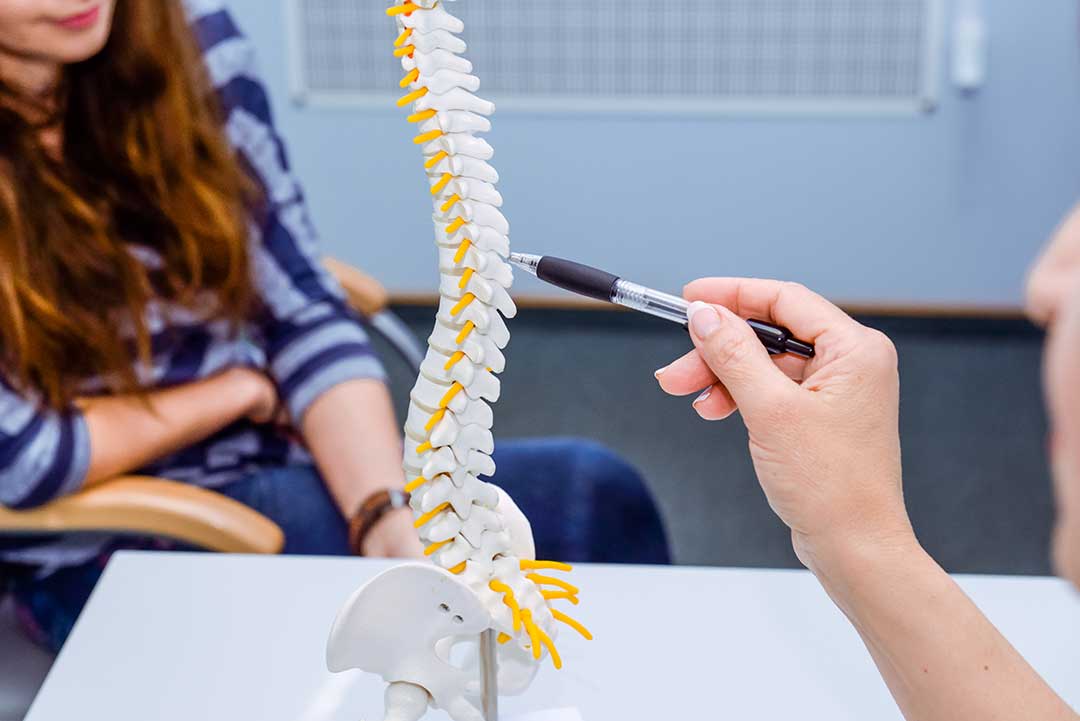
Serious complications from spinal manipulation are considered uncommon, but reported risks can include worsening of a disc problem, nerve compression, and, in rare cases, stroke associated with neck manipulation. ([mayoclinic.org](https://www.mayoclinic.org/tests-procedures/chiropractic-adjustment/about/pac-20393513?utm_source=openai))
Symptoms involving sudden neurological changes should not be watched at home simply because they occurred after an adjustment. Emergency services may be necessary, especially when symptoms begin abruptly.
Should the next adjustment be delayed if soreness occurs?
That depends on the severity and pattern of symptoms. Mild soreness that is already improving does not necessarily mean future care is unsafe. However, recurring or unusually strong reactions should be discussed before another treatment.
Useful details to report include:
- When the soreness began
- Which body area was treated
- Whether the discomfort is improving or worsening
- Any numbness, weakness, dizziness, or headache
- Activities performed after the adjustment
- Any recent injury, fall, illness, or medication change
A treatment plan may need to be modified by using less force, treating fewer areas, changing positioning, allowing more recovery time, or reconsidering whether spinal manipulation is appropriate for the underlying condition. A careful health history matters because certain conditions may increase risk. Mayo Clinic specifically identifies severe osteoporosis, spinal cancer, some upper-neck abnormalities, and neurological symptoms such as limb numbness or weakness as reasons for caution or avoidance. ([mayoclinic.org](https://www.mayoclinic.org/tests-procedures/chiropractic-adjustment/about/pac-20393513?utm_source=openai))
Can soreness be prevented?
Not always, but the likelihood may be reduced by communicating clearly before and during treatment. A person should mention prior reactions, recent injuries, osteoporosis, inflammatory conditions, surgery, blood-thinning medication, unexplained neurological symptoms, or any concern involving the neck.
It can also help to avoid scheduling strenuous lifting or intense exercise immediately afterward. Normal daily movement is often preferable to complete inactivity, but pain should guide the pace. A person who feels worse after ordinary movement should not push through escalating symptoms.
The main distinction is simple: mild, localized soreness that improves is often temporary; severe, spreading, progressive, or neurological symptoms require medical attention. Residents managing back or neck discomfort should consider the adjustment as one part of a broader health picture, including sleep, physical activity, work demands, previous injuries, and any medical conditions that may affect safety.
