
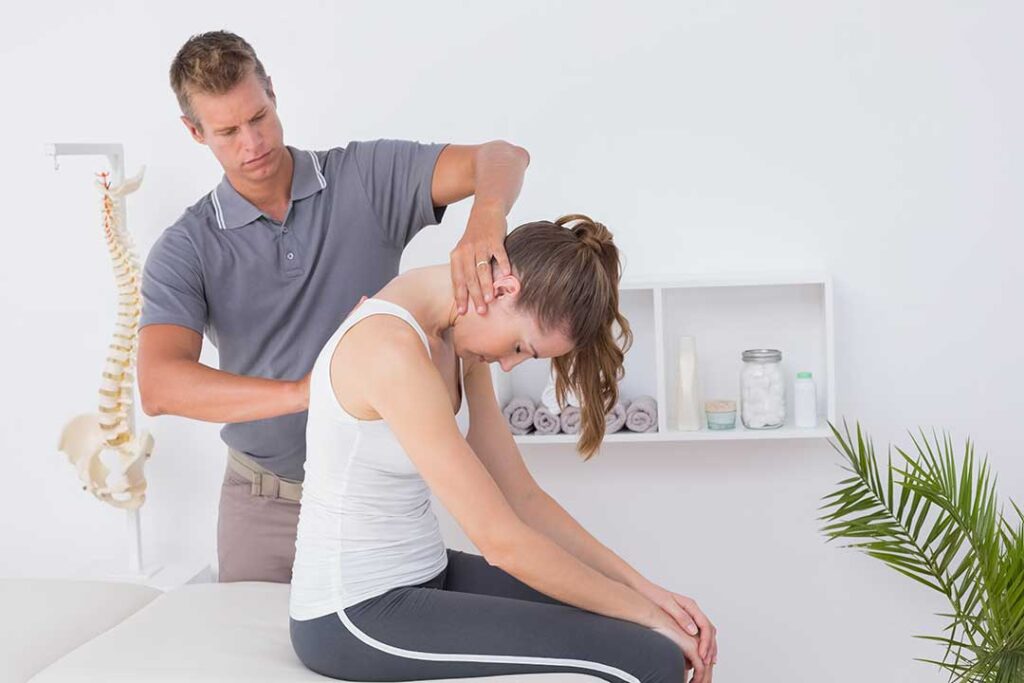
Daily movement does not have to mean a formal workout. For residents of Mount Vernon, NY, healthy movement may involve walking to transit, climbing stairs in a multi-level home, carrying groceries, working at a desk, standing during a commute, or keeping up with household responsibilities. The goal is to change positions regularly, use comfortable body mechanics, and build enough strength and mobility for ordinary activities.
Why does movement throughout the day matter?
Regular movement helps reduce the physical strain associated with staying in one position for too long. It also supports joint mobility, muscle conditioning, balance, circulation, and body awareness.
A person can exercise for 30 minutes and still spend most of the day sitting. That pattern may leave the hips, back, neck, and shoulders feeling stiff. Short periods of movement spread across the day can complement structured exercise and may be easier to maintain.
Healthy movement does not require constant activity. It means avoiding long, uninterrupted periods of sitting, standing, or repetitive work whenever possible.
How often should someone change position?
A practical goal is to change position or move lightly every 30 to 60 minutes. The movement can be brief. Standing up, walking across a room, gently moving the shoulders, or shifting from sitting to standing can interrupt prolonged stillness.
Useful reminders include:
- Stand during a phone call when practical.
- Walk briefly after completing a work task.
- Take the longer route through a building when time allows.
- Set a quiet reminder to check posture and position.
- Alternate between sitting and standing rather than using only one position.
- Place frequently used items where they can be reached without repeated twisting.
There is no single perfect sitting or standing posture that must be held all day. Comfort usually improves when the body is allowed to move between several reasonably supported positions.
What is a healthier way to sit at home or work?
A supportive sitting position keeps the feet stable, the hips level with or slightly higher than the knees, and the screen near eye level. The lower back does not need to be rigidly straight; a relaxed, supported position is generally more sustainable.
For desk work:
- Keep the keyboard and mouse close enough to avoid reaching forward.
- Let the shoulders relax instead of lifting them toward the ears.
- Place both feet on the floor or on a stable footrest.
- Keep the screen directly in front of the body when possible.
- Avoid turning the head to one side for long periods.
- Use a chair that allows small changes in position.
For people working from compact apartments, shared spaces, or dining tables, a perfect workstation may not be available. Small adjustments still help. A firm cushion, a stack of books to raise a screen, or moving a laptop closer to eye level can reduce unnecessary bending and reaching.
How can residents protect their backs while lifting?
Lifting is usually safer when the load is kept close to the body and moved with controlled effort. The legs, hips, and trunk can share the work rather than relying on the lower back alone.
Before lifting, check the weight, size, and path. Then:
1. Move close to the object.
2. Place the feet in a stable position.
3. Bend through the hips and knees as comfortable.
4. Hold the object near the body.
5. Rise smoothly without jerking.
6. Turn by moving the feet instead of twisting the trunk while carrying.
Large grocery bags, laundry baskets, and packages are often easier to manage when divided into smaller loads. Carrying equal amounts in both hands may also reduce the tendency to lean to one side, although comfort and safety should guide the choice.
A common misconception is that every lift must involve a deep squat. The better approach depends on the object, available space, mobility, and weight. Forcing a deep squat or holding the breath can create unnecessary strain.
What movement habits help during commuting and errands?
Travel and errands often create long periods of sitting followed by quick lifting, walking, or stair climbing. Preparing the body for those transitions can make daily activities feel easier.
If sitting during a commute, avoid keeping the body fixed in one position for the entire trip. Small ankle movements, gentle shoulder changes, and posture adjustments can help. Once arriving at the destination, a few minutes of walking may be preferable to immediately sitting again.
Walking for errands can provide useful low-intensity activity. Comfortable shoes, a manageable bag, and pacing that allows normal breathing are usually more sustainable than trying to move quickly while carrying too much.
Seasonal conditions also affect movement. Cold weather may make muscles and joints feel less comfortable at first, while rain, ice, and uneven surfaces can increase fall risk. During colder months, allow extra time, use handrails where available, and avoid rushing over slippery areas. In warmer weather, hydration and breaks become more relevant, especially during longer walks.
Which simple exercises support everyday movement?
A balanced routine can include mobility, strength, and balance work. The exercises should be comfortable and adapted to a person’s current abilities.
Examples include:
- Chair stands: Rise from a stable chair and sit back down with control.
- Wall push-ups: Place the hands on a wall and bend the elbows slowly.
- Heel raises: Hold a stable surface and lift the heels, then lower them.
- Marching in place: Lift one foot at a time while maintaining an upright posture.
- Gentle trunk rotation: Turn comfortably from side to side without forcing the range.
- Shoulder blade movements: Draw the shoulders gently back and down, then relax.
Start with a small number of repetitions and pause if symptoms increase. Strength improves through gradual consistency, not through pushing into sharp pain.
Should stretching hurt?
Stretching should generally create mild tension, not sharp, burning, electric, or rapidly worsening pain. Bouncing is unnecessary and may make it harder to control the movement.
A gentle stretch can be held while breathing normally for a short period. Muscles may feel more comfortable after light activity, so walking or easy joint movements can be useful before stretching.
Stretching is not a complete solution for every ache. Repeated pain may relate to workload, weakness, joint irritation, nerve sensitivity, sleep position, or another factor that requires a more specific assessment.
When should movement-related pain be checked?
Mild stiffness that improves with gentle movement is common, but certain symptoms should not be ignored. Seek prompt medical evaluation for pain accompanied by significant weakness, new numbness, loss of coordination, unexplained fever, major swelling, or a serious injury.
Urgent care is appropriate for sudden severe symptoms, loss of bladder or bowel control, numbness in the groin area, chest pain, difficulty breathing, or symptoms suggesting a neurological emergency.
For less urgent but persistent discomfort, keep track of what triggers it, what relieves it, and whether it is changing over time. That information can help guide an appropriate evaluation.
Healthy movement is built into ordinary routines: standing between tasks, walking when practical, lifting with control, changing positions, and using gradual strengthening. These habits can support daily function without requiring a complicated schedule or a rigid definition of exercise.
