

Joint inflammation can cause pain, stiffness, warmth, swelling, and reduced movement. The most useful natural strategies are usually consistent, low-impact activity, balanced nutrition, adequate sleep, stress management, and sensible use of heat or cold. These steps may help manage symptoms, but they do not replace diagnosis—especially when inflammation is sudden, severe, or affects several joints.
What does joint inflammation mean?
Joint inflammation is the body’s response to irritation, injury, infection, or an immune-related condition. Arthritis includes more than 100 conditions, and treatment depends on the cause. Osteoarthritis is often linked to gradual wear and changes in the joint, while rheumatoid arthritis and some other conditions involve immune-system activity. Gout can produce sudden, intense inflammation, often in one joint. ([cdc.gov](https://www.cdc.gov/arthritis/?utm_source=openai))
Aching after increased activity is not always the same as active inflammation. Signs that deserve medical evaluation include a joint that is hot, red, visibly swollen, increasingly painful, or difficult to move. Symptoms that keep returning may also require evaluation to identify the type of arthritis involved.
Can gentle movement reduce inflammation and stiffness?
Yes. Regular, joint-friendly movement can reduce pain, improve function, support mood, and help maintain muscle around vulnerable joints. Staying completely inactive often increases stiffness and weakness, which can make ordinary activities more difficult. ([cdc.gov](https://www.cdc.gov/arthritis/prevention/index.html?utm_source=openai))
Good starting options for local residents include:
- Comfortable-paced walking on level routes
- Water exercise
- Stationary cycling
- Tai chi
- Light gardening
- Gentle range-of-motion exercises
- Resistance-band or light strengthening exercises
Begin with five to ten minutes if longer exercise feels unrealistic. Short activity periods can be spread throughout the day. The general adult target is 150 minutes of moderate activity each week, along with muscle-strengthening activity on at least two days, but people with painful joints may need to build toward that gradually. ([cdc.gov](https://www.cdc.gov/arthritis/prevention/index.html?utm_source=openai))
A small amount of soreness can occur when activity changes. Sharp, constant pain, limping, a large increase in swelling, or pain that lasts for hours after exercise is a signal to reduce the intensity and seek medical guidance. ([archive.cdc.gov](https://archive.cdc.gov/www_cdc_gov/arthritis/basics/physical-activity/pain.html?utm_source=openai))
Should a person use heat or cold?
Both can be useful, but they serve different purposes. Heat may improve flexibility and make stiff joints easier to move. Cold can temporarily numb pain and may reduce swelling after activity. ([niams.nih.gov](https://www.niams.nih.gov/health-topics/osteoarthritis/diagnosis-treatment-and-steps-to-take?utm_source=openai))
A practical approach is:
- Use warmth before movement when stiffness is the main problem.
- Use a cold pack after activity if swelling or throbbing develops.
- Keep a cloth between the skin and the heat or cold source.
- Limit each session to a comfortable period rather than applying extreme temperatures.
- Stop if the skin becomes numb, unusually pale, irritated, or painful.
People with reduced sensation, circulation problems, or certain medical conditions should ask a health care professional about safe temperature therapy before using it.
Can food choices affect joint symptoms?
A balanced eating pattern may support general health, weight management, and the body’s ability to handle chronic conditions. Helpful habits include eating more vegetables, fruit, beans, whole grains, nuts, seeds, and fish while limiting heavily processed foods, excess added sugar, and frequent high-sodium meals.
There is no single food that reliably “flushes out” inflammation. Claims about a specific tea, juice, supplement, or elimination diet should be treated cautiously. Supplements can interact with medicines, affect bleeding risk, or create problems for people with kidney, liver, or heart conditions.
For people carrying excess weight, even modest weight loss may reduce arthritis-related pain and disability, particularly in weight-bearing joints such as the knees and hips. Weight should be discussed without blame; pain itself can make exercise and meal planning harder. ([cdc.gov](https://www.cdc.gov/arthritis/hcp/self-management/index.html?utm_source=openai))
How do sleep and stress influence joint pain?
Poor sleep can make pain feel more intense and may reduce the energy available for movement. Stress can also increase muscle tension and make it harder to maintain helpful routines. A regular sleep schedule, a darker and cooler bedroom, and a calming wind-down period can support recovery.
Stress-management practices do not need to be elaborate. Slow breathing, brief mindfulness, gentle stretching, journaling, and quiet time away from screens may help. During busy periods—such as winter weather, long commutes, or demanding household responsibilities in a dense urban community—small routines are often more sustainable than major lifestyle changes.
How can daily habits protect irritated joints?
Joint protection means reducing unnecessary strain without avoiding movement altogether. Examples include changing positions regularly, taking breaks from repetitive tasks, using both hands for heavier objects, and keeping frequently used items within easy reach.
During colder months, icy sidewalks and slippery steps can increase the risk of falls and joint injuries. Well-fitting footwear, adequate lighting, handrails, and clearing walking paths can reduce avoidable stress on painful knees, hips, ankles, and backs.
For people whose work involves prolonged standing, lifting, typing, or repeated bending, alternating tasks and adjusting the workspace may help. A brace, cane, or other support may be useful in some situations, but it should fit properly and should not replace evaluation of worsening symptoms.
Can chiropractic care be part of a natural approach?
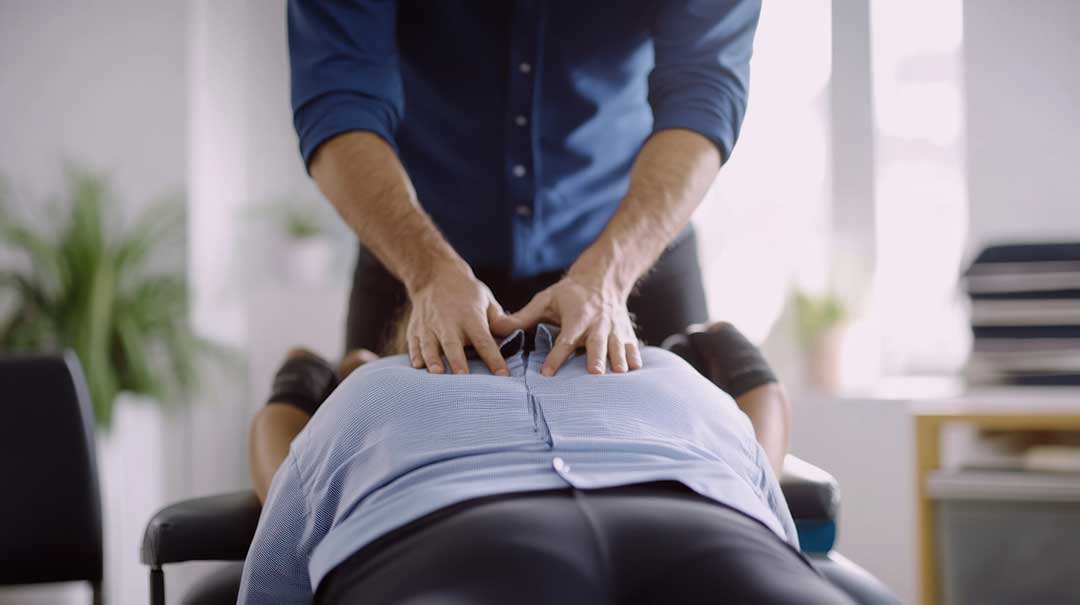
Chiropractic care primarily focuses on the relationship between body structure—especially the spine—and function. For some musculoskeletal complaints, hands-on care may be used alongside exercise, mobility work, and education. It should not be assumed to treat every cause of joint inflammation, particularly autoimmune arthritis, infection, gout, or a joint that is acutely hot and swollen. ([niams.nih.gov](https://www.niams.nih.gov/health-topics/osteoarthritis/diagnosis-treatment-and-steps-to-take?utm_source=openai))
Any manual treatment should be adapted to the person’s diagnosis, medications, bone health, age, and symptom pattern. Persistent or unexplained inflammation may require medical testing, medication, physical therapy, or evaluation by a clinician familiar with arthritis.
When should joint inflammation be checked promptly?
Seek urgent medical attention for a suddenly swollen, hot, or red joint—especially with fever, chills, feeling unwell, or severe pain. Prompt evaluation is also appropriate after a significant injury, when a joint cannot bear weight, or when swelling is rapidly worsening.
A routine medical evaluation is advisable when symptoms last more than several weeks, affect multiple joints, cause prolonged morning stiffness, repeatedly interrupt sleep, or are accompanied by fatigue, rash, unexplained weight change, eye symptoms, or numbness. Early identification matters because different forms of arthritis require different treatment plans. ([cdc.gov](https://www.cdc.gov/arthritis/caring/index.html?utm_source=openai))
Natural measures can make daily movement more manageable, but the goal is not to mask warning signs. Tracking which joints hurt, when swelling appears, what activities affect symptoms, and how long morning stiffness lasts can provide useful information during an evaluation.
