
Do All Back Problems Come From Injuries?
Most back pain among Mount Vernon residents does not originate from a single injury. Instead, many local adults experience symptoms that develop gradually due to daily habits, posture, lifting patterns, or underlying health conditions. A slip or fall can certainly cause discomfort, but for many people, back pain emerges slowly—sometimes from years of sitting at desks, commuting in cars or trains, repetitive movements, or even sleeping on non-supportive mattresses common in older apartments and homes.
Chronic stress, heavy bags, or shoveling snow during the area’s winters also frequently lead to gradual strain. Not every ache or twinge is due to a major accident, which means addressing everyday routines is often as important as remembering dramatic incidents.
Is Rest Always the Best Solution for Back Pain?
Lying down until the pain disappears is a common approach, but extended rest rarely leads to faster recovery for most people in the city. Unless direct medical guidance suggests otherwise, gentle movement is preferable. Light activity helps support circulation and discourages stiffness. For example:
- Short walks around the block or inside local buildings can reduce tightness
- Light stretching (if not painful) often helps maintain flexibility
- Local recreation areas or accessible green spaces provide safe environments for movement
Bed rest can actually prolong discomfort if taken to excess, especially among older adults or those already prone to muscle loss. Relatively short periods of rest—just a day or two at most—may be reasonable after an acute strain, but returning to gentle movement generally supports healthier outcomes.
Does Back Pain Always Mean Something Serious?
Most back pain cases are not caused by underlying diseases or structural problems. In Mount Vernon, daily life includes frequent lifting and carrying, household chores, and walking up stairs—activities that naturally lead to muscle or ligament strain over time. While it's natural to worry about worst-case scenarios, severe or dangerous conditions are comparatively rare.
Pain that is mild to moderate, improves with time, or fluctuates depending on position is typically related to muscles or joints. However, any back pain accompanied by:
- Numbness or tingling in the legs
- Loss of bladder or bowel control
- Fever with spine pain
- Unexplained weight loss
deserves immediate evaluation, as these symptoms may indicate more serious conditions. The vast majority of everyday aches resolve with appropriate self-care and activity.
Will Back Pain Go Away on Its Own?
Some discomfort does recede naturally, but persistent pain over weeks or months may linger without attention to posture, movement, or strength. Recurrent symptoms are common among those working from home, sitting in prolonged meetings, or driving for extended periods, all frequent in the area. Without adjustments—such as more supportive chairs, improved lifting techniques, or gentle exercises—aching can return.
Improving everyday habits around physical activity usually leads to the best results. Back pain that consistently disrupts sleep or daily tasks may respond to basic changes in home or work setups, such as modifying chair height, desk arrangement, or taking regular standing breaks.
Are Back Cracks and Pops Harmful?
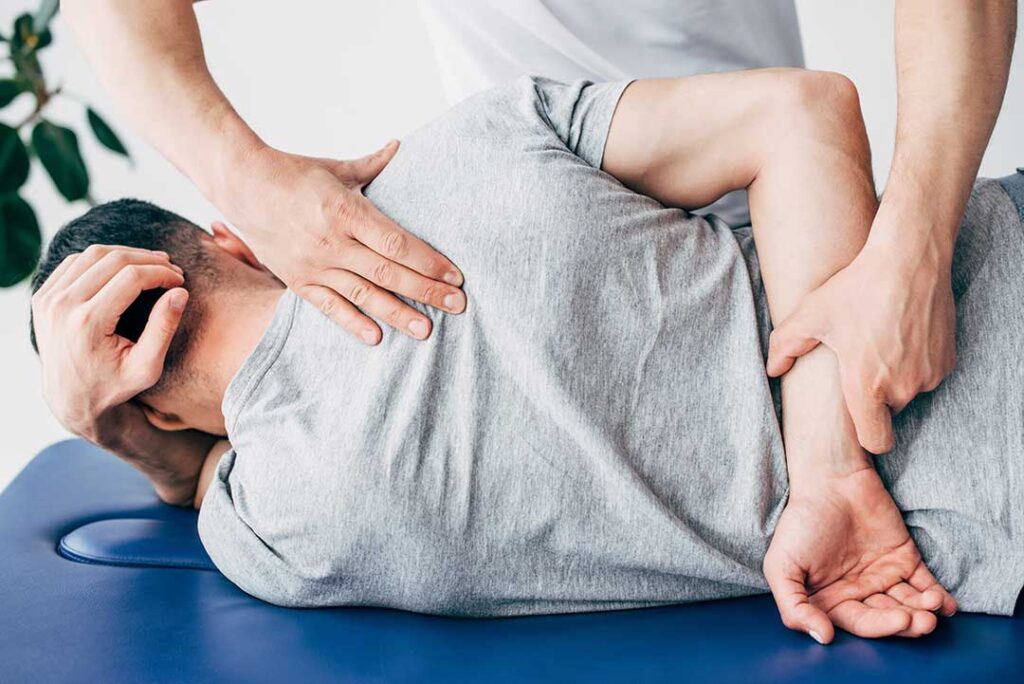
Hearing or feeling a pop when stretching or moving the back is usually not dangerous. Many people notice these sounds when standing after sitting at a desk or stretching side to side. In most cases, it’s simply gas moving around within the joint—not a sign of harm or damage. Occasional cracking that isn't painful does not indicate injury.
However, repeated or forceful attempts to "crack" one's own back can lead to discomfort. Gentle, slow stretches are safe for most people, but anyone experiencing sharp pain, catching, or swelling after a pop should avoid pushing further and seek guidance on safer approaches.
Does Lifting Heavy Objects Always Cause Back Injury?

Cautious lifting is important, but lifting by itself doesn't always cause harm if done correctly. In dense urban areas like Mount Vernon, many residents carry groceries, move boxes, or participate in seasonal cleanups. Injuries typically occur from sudden, awkward twists or using back muscles rather than the stronger legs.
Safer lifting techniques include:
- Keeping the back straight and bending at the knees
- Holding items close to the body
- Avoiding abrupt movements or overreaching
Repetitive tasks—such as climbing stairs with heavy bags—can also lead to fatigue and mistakes, especially for those living in walk-up buildings. Small adjustments, like dividing loads or asking for assistance with large items, can minimize risks.
Are Young People Safe From Back Pain?
Even children and young adults can experience back discomfort. Long school days, carrying overloaded backpacks, and poor posture while using digital devices commonly affect youth throughout local neighborhoods. Early intervention with good routines—such as stretching, using both shoulder straps on backpacks, and limiting slouching during screen time—can help reduce future risks.
Parents in the community often benefit from reminding students to take movement breaks, adjust their study spaces, and pay attention to any early warning signs, rather than dismissing complaints as something that only affects adults.
Does Bad Posture Alone Always Lead to Back Problems?
While posture is one contributing factor, it is rarely the sole cause of back issues. People in Mount Vernon who spend hours at desks, on computers, or using their phones may develop tension, but many never experience lasting pain. Back health depends on a combination of movement, strength, flexibility, and ergonomics.
Making small, positive changes—like standing periodically during long meetings, varying positions while reading, and performing simple stretches—can help most residents. Other health habits, such as maintaining a balanced diet and getting adequate sleep, also play a role.
Are Expensive Mattresses or Chairs the Solution?
Special furniture or premium mattresses are often advertised as cure-alls, but the most important factors are usually support and comfort, not price. Many residents experience relief from making modest changes, such as adding a support pillow or adjusting the height of a desk chair.
Area households with older furniture sometimes see improvement simply by rotating mattresses, using extra cushions, or ensuring feet rest flat on the floor when seated. Large purchases are not always needed to reduce discomfort.
